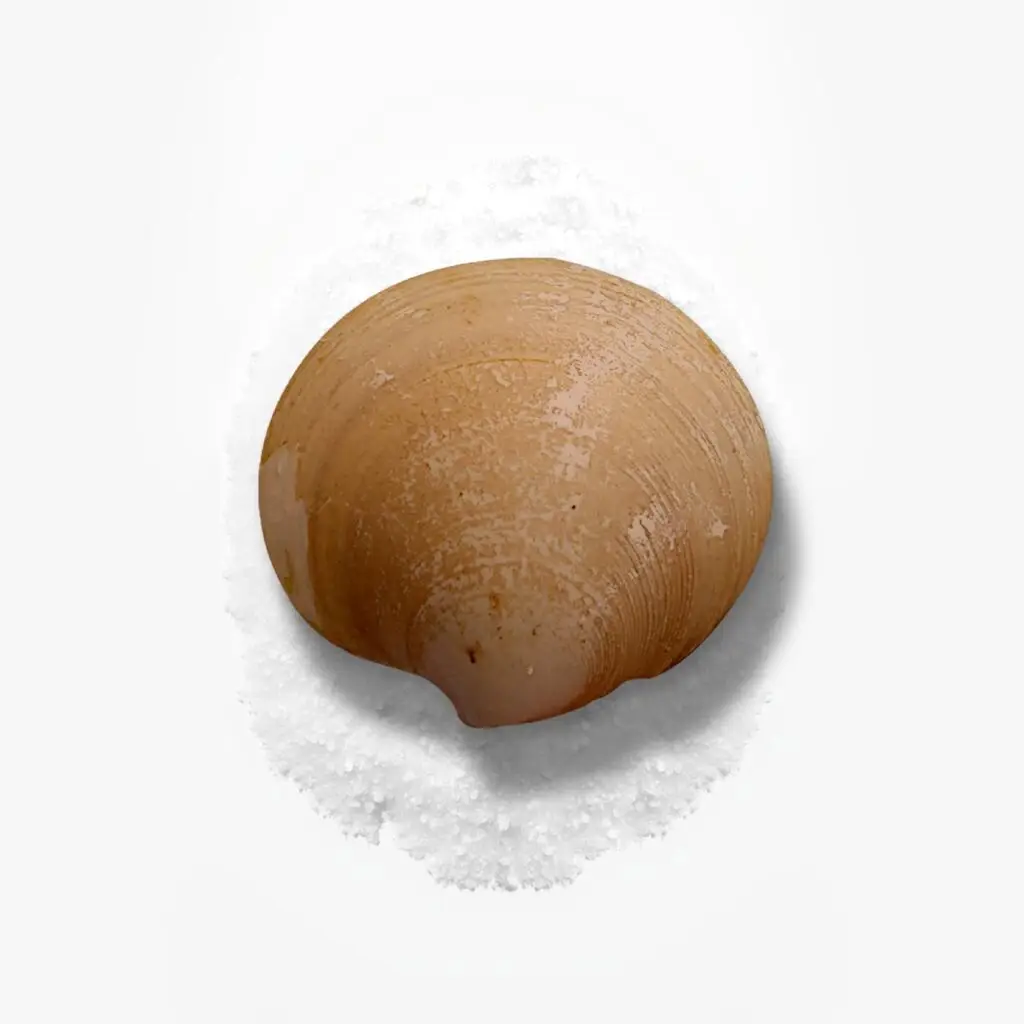


Two oval, rough, and layered valves; whitish in color with purple striations and grayish spots.
10.5 cm – 11.5 cm
Ocean flavor with pleasant sweet notes.
Raw, cooked, battered, fried, and smoked.
Laguna de Guerrero Negro, Northern Baja California (Paralelo 28).

Two oval, rough, and layered valves; whitish in color with purple striations and grayish spots.
9 cm – 10 cm
Ocean flavor with pleasant sweet notes.
Raw, cooked, battered, fried, and smoked.
Laguna de Guerrero Negro, Northern Baja California (Paralelo 28).

Two oval, rough, and layered valves; whitish in color with purple striations and grayish spots.
6 cm – 7.5 cm
Ocean flavor with pleasant sweet notes.
Raw, cooked, battered, fried, and smoked.
Laguna de Guerrero Negro, Northern Baja California (Paralelo 28).

Two oval, rough, and layered valves; whitish in color with purple striations and grayish spots.
7.5 cm – 8.5 cm
Ocean flavor with pleasant sweet notes.
Raw, cooked, battered, fried, and smoked.
Laguna de Guerrero Negro, Northern Baja California (Paralelo 28).

Two oval, rough, and layered valves; whitish in color with purple striations and grayish spots.
5.8 cm – 6 cm
Ocean flavor with pleasant sweet notes.
Raw, cooked, battered, fried, and smoked.
Laguna de Guerrero Negro, Northern Baja California (Paralelo 28).

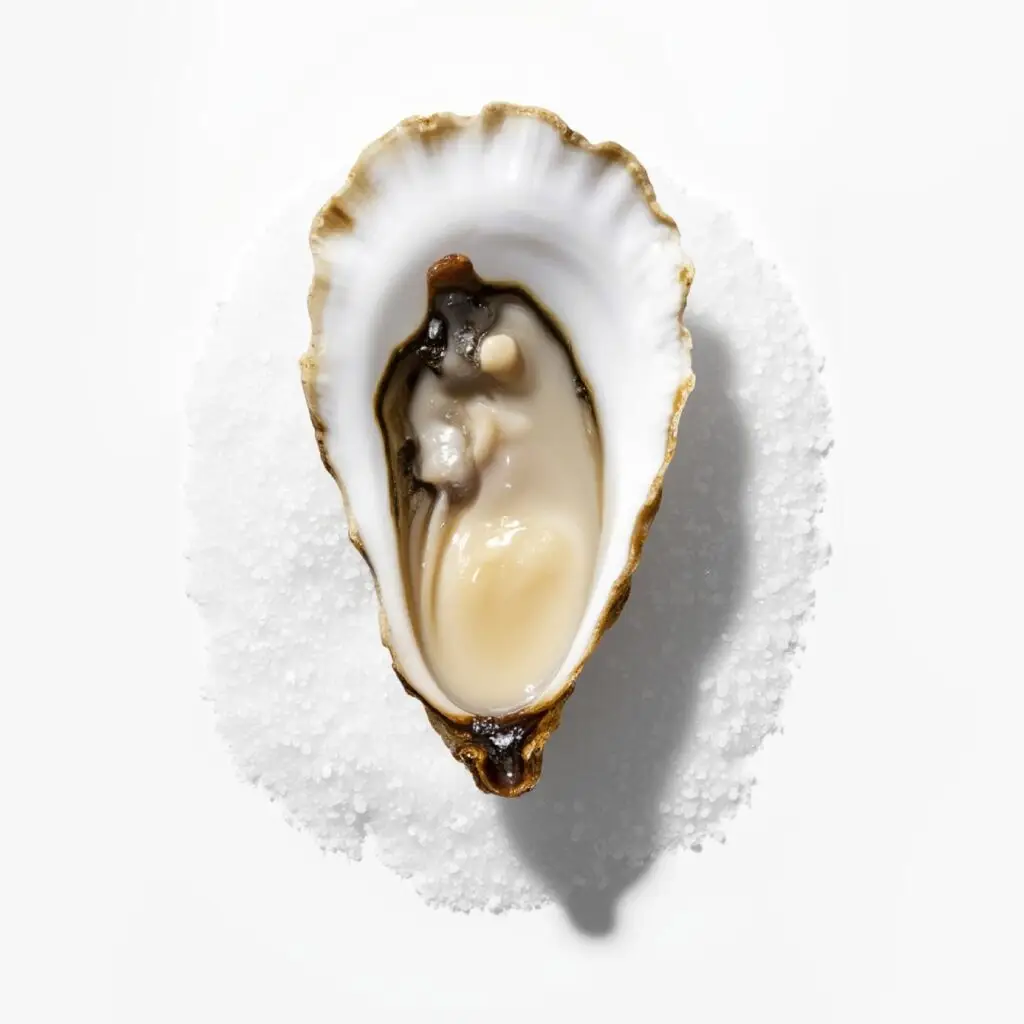
This bivalve mollusk can be distinguished by its deeper left valve and flatter right valve, with shells that feature at least three radial ridges and a dark purple adductor muscle. It is the only oyster we offer with a genetic difference from the others, as it is a hybrid between two different oyster species.
Approximately 5–6 cm.
Noticeably sweet with hazelnut notes and a very creamy texture, firm yet smooth at the same time.
Thanks to its great versatility, it can be used in raw dishes, cooked, battered, fried, smoked, and more.
Laguna de Guerrero Negro, Northern Baja California (Paralelo 28).
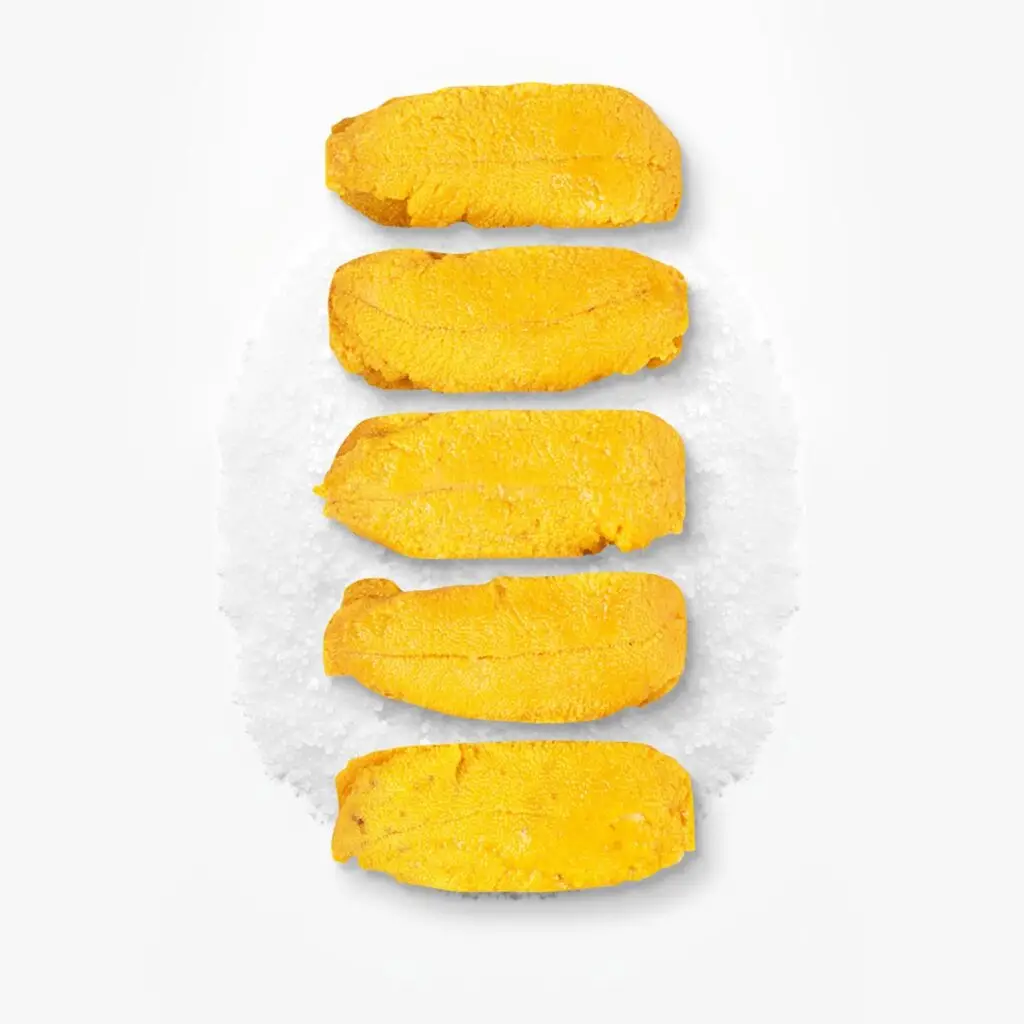
Its spherical body is completely covered by a hard shell and sharp spines that can grow up to 8 cm long, providing protection from the external environment.
The minimum legal catch size is 8 cm in diameter.
It has a milky texture with a strong flavor that balances between sweet and salty, and is very creamy on the palate.
Commonly used as a fresh raw topping for a wide variety of dishes, including meats, seafood, vegetables, and creams. Recently, its live presentation has become more popular, using the shell as a decorative element in plating.
Lives in sandy and clay-silt substrates. It is found buried at a depth of 0.6 to 1 meter.
Found from the northern Gulf of California to Bahía Magdalena, in Baja California Sur, Mexico.
Collected one by one by experienced divers who must descend to the ocean floor to locate the product.
15 – 32 °C
0.700 – 0.900 kilograms
San Felipe, Baja California.
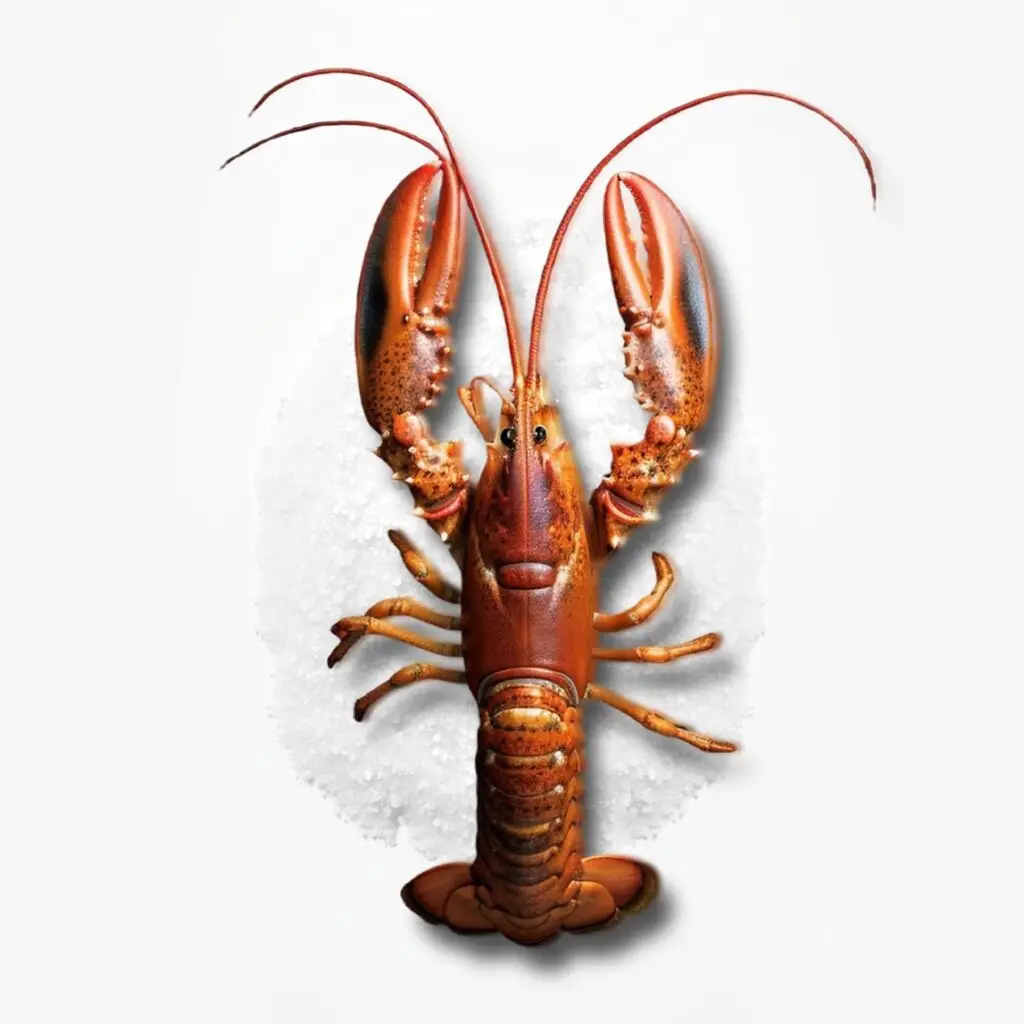
Rocky coastal areas from the intertidal zone down to depths of 65 meters, where it feeds on sea urchins, mollusks, and marine worms.
Available live from September 16 to February 15; whole or tail frozen year-round.
White, firm, and fine-textured meat with a delicate flavor and sweet notes.
The North Pacific region of Baja California Sur is the main supplier of red lobster in Mexico, accounting for over 90% of the national catch. Rich in vitamin E and minerals such as zinc, calcium, potassium, and selenium, it supports bone and cardiovascular health.
Intertidal zones with strong wave energy, attached to rocks, docks, buoys, and boats.
Available year-round.
Rincón de Ballenas, Ensenada, Baja California.
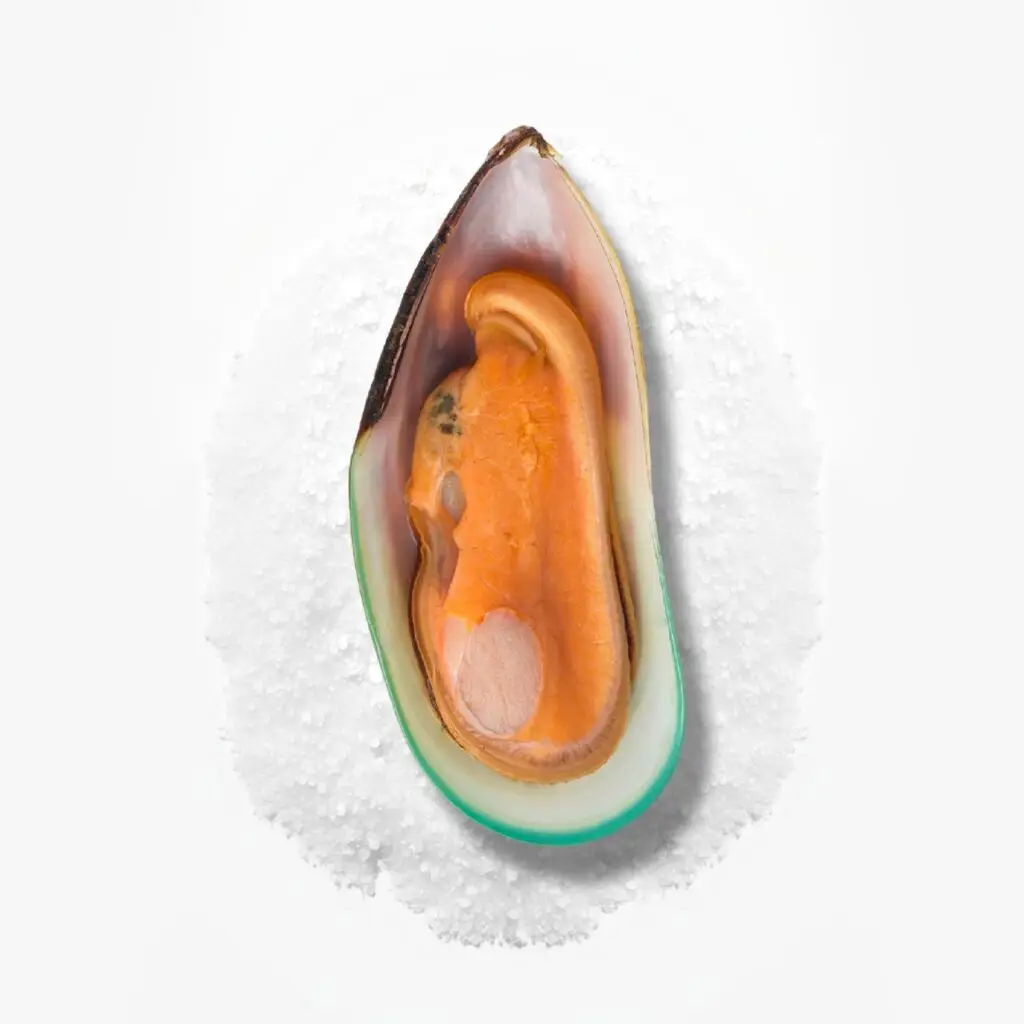
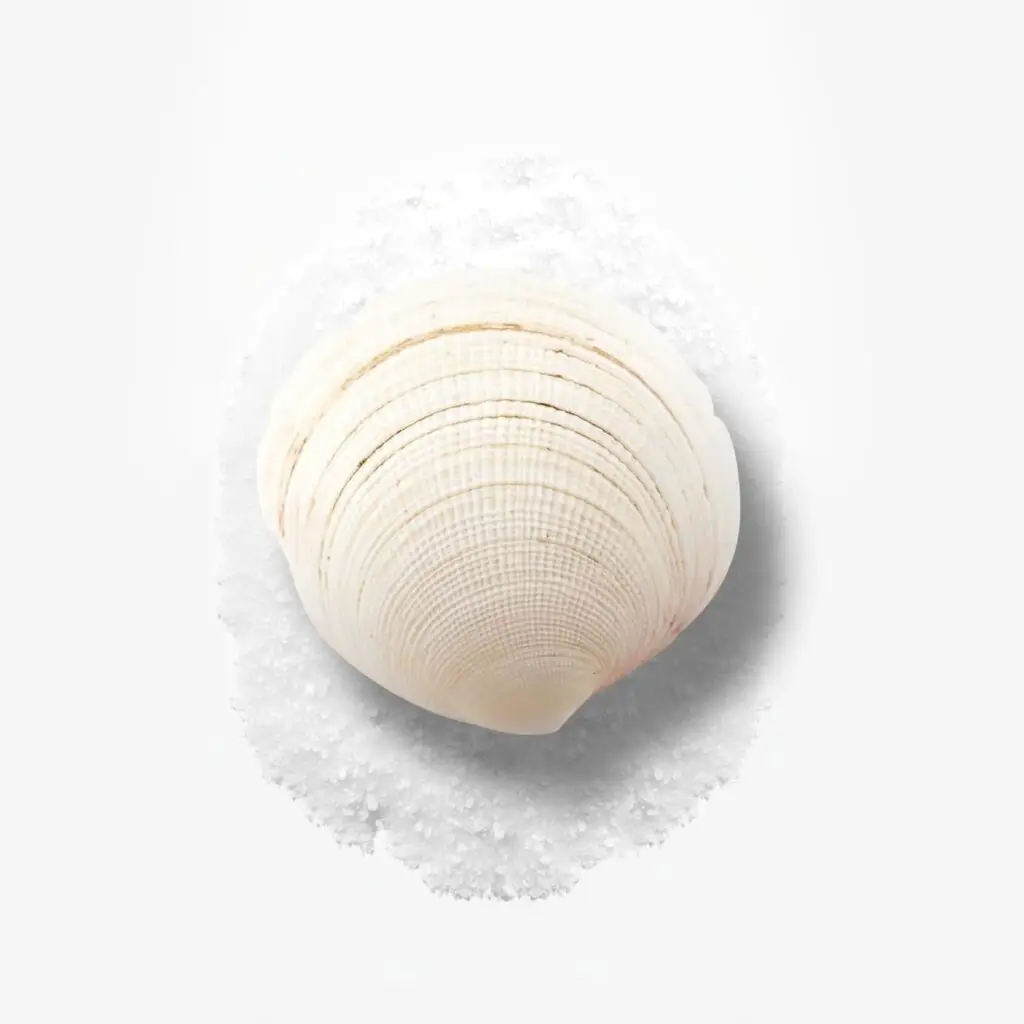
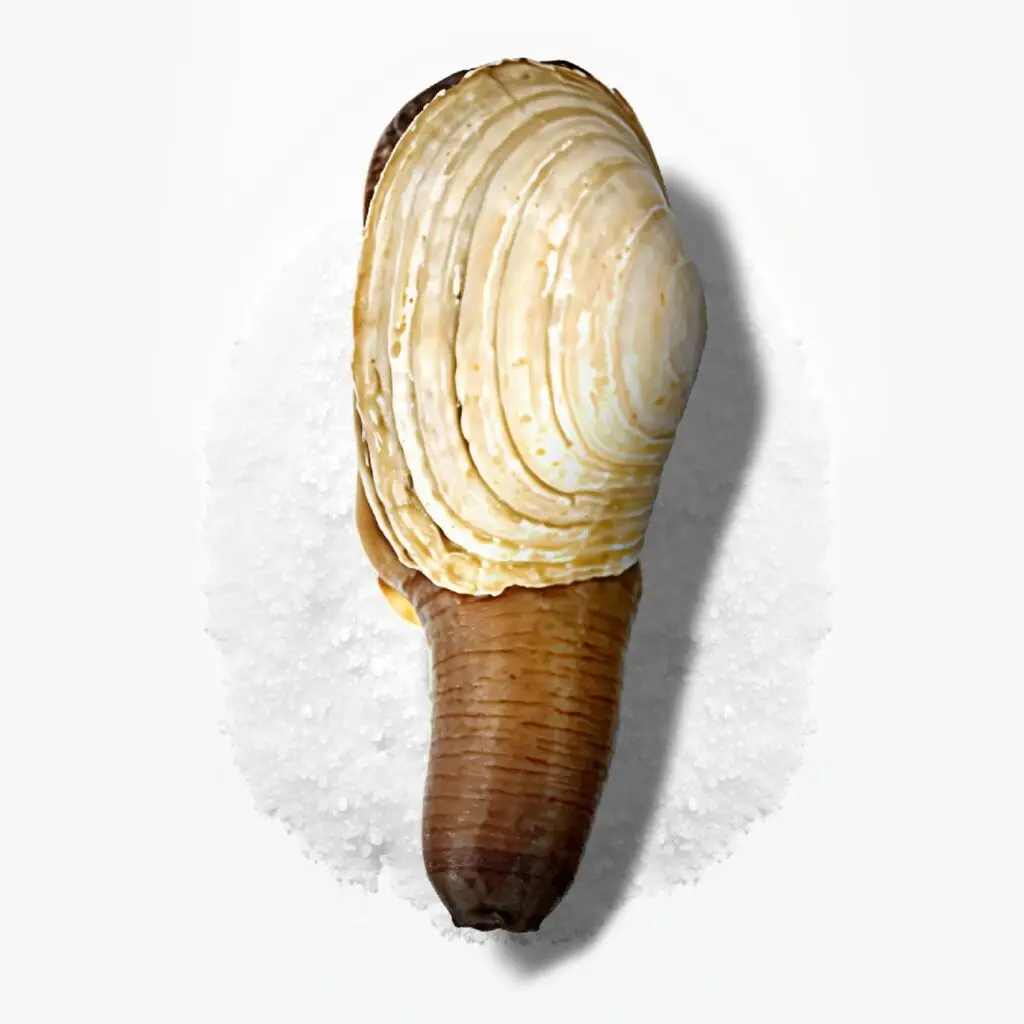
It prefers fine sandy bottoms, sandy-silt, and coarse silt substrates.
Available year-round.
Firm yet very smooth texture, with a sweet flavor and delicate buttery notes.
Commonly enjoyed fresh with salt, lime, and sauce; steamed in the shell, grilled, fire-roasted, or served in broths and pasta dishes.
Lives buried in sandy and muddy sediments from the intertidal zone down to depths of 120 meters.
Available year-round.
Firm yet non-elastic meat with a typical ocean flavor, delicate with a hint of sweetness.
San Ignacio, Baja California Sur, and San Carlos, Sonora.
Once received, it is recommended to store it in a cool, humid place with a temperature between 14–18°C, covered with a thick, damp, non-fiber-shedding cloth.